Office Hours: M-F 9AM-6PM US Eastern
Where Passion Meets Profit
Where Passion Meets Profit
Where Passion Meets Profit
Blog post by TDW Closeouts on 16-Jul-2026 at 12:07pm Eastern Time
Buying liquidation goods by the truckload is a different kind of purchase than grabbing a pallet or two. A full trailer changes the math on freight, gives buyers a much lower cost per unit of merchandise, and keeps a resale operation stocked for weeks instead of days. It also demands more from the supplier on the other end of the deal, because a bad truckload hurts far more than a bad pallet. That is why the supplier decision matters so much at this level.
TDW Closeouts, a South Florida based wholesale liquidation supplier, is a good example of what buyers at this stage tend to look for. The company sells customer returns, overstock, and closeout merchandise by the pallet and by the truckload, ships nationwide, and works with export buyers as well. Loads come warehouse-direct, and buyers can get someone from the team on the phone before committing to anything, which matters when a full trailer of inventory is on the line.
This guide walks through what separates a dependable truckload supplier from a risky one, explains the basic load types and freight considerations, and then covers several established companies that sell liquidation goods at truckload volume. The goal is simple. Help buyers go into their next full truckload purchase with clear expectations and a shorter list of places worth calling.
Reliability comes first, and at truckload scale it means more than answering emails. A dependable supplier ships loads that match what was described, loads trailers properly so pallets arrive intact, and delivers on the timeline that was agreed to. Repeat buyers are the clearest signal here. Companies that have been moving truckloads for years tend to have processes in place because they have to.
Inventory variety matters almost as much. Resale businesses evolve, and a supplier who only handles one category can leave a buyer stuck when demand shifts. Suppliers that carry general merchandise, clothing, furniture, tools, electronics, housewares, and domestics give buyers room to test new categories without opening a new supplier relationship every time.
Communication is where many truckload deals go sideways. Before wiring payment for a full trailer, a buyer should be able to ask direct questions and get direct answers. What kind of load is this? Where did the goods come from? What condition mix should be expected? Suppliers who let buyers speak with a real person, rather than routing everything through a web form, remove a lot of uncertainty.
Logistics capability is the fourth piece. A truckload supplier should be comfortable arranging freight, quoting delivery to different regions, and handling export documentation when a buyer is shipping abroad. Ask how loads are palletized and stacked, because that affects what arrives usable.
Sourcing transparency ties it all together. Good suppliers explain where their merchandise originates, whether that is retail returns programs, overstock buyouts, or closeout deals, and they set honest expectations about condition. Vague answers about sourcing are usually a sign to keep looking.
Truckloads generally fall into a few categories, and knowing the difference shapes everything from expectations to resale strategy.
Customer returns loads contain merchandise sent back to retailers. Condition varies within the load. Some items are like new, some have damaged packaging, and some need repair or should be sold for parts. Returns are usually the cheapest way to buy per unit, but they demand the most labor after delivery, since everything needs inspection and sorting.
Overstock loads consist of new, unsold merchandise that retailers or manufacturers cleared out to free up space. Condition is typically strong because the goods never reached a customer. These loads cost more than returns but require far less processing on arrival.
Closeout loads are made up of discontinued items, seasonal goods, package changes, and end of line products. Like overstock, closeouts are generally new. The tradeoff is timing and selection, since a closeout deal exists because the original seller wanted it gone.
Many buyers run a mix. Returns feed bin stores and flea market tables, while overstock and closeouts supply online listings and store shelves where consistent condition matters.
A full truckload, often abbreviated FTL, means the entire trailer carries one buyer's freight. That has real advantages. The load is not handled at intermediate terminals the way partial shipments are, which means less damage, and the per pallet freight cost drops when a whole trailer is filled.
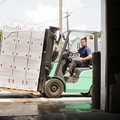
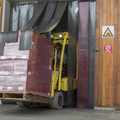
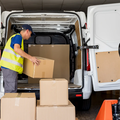
Receiving a truckload takes preparation. A standard dry van sits high off the ground, so a loading dock is the easiest way to unload. Buyers without a dock can often arrange a liftgate or unload by hand, but that should be settled before the truck is booked, not when the driver arrives. Drivers work on schedules, and slow unloading can trigger detention charges from the carrier.
Space planning matters just as much. A full trailer of mixed merchandise takes serious floor space once it is broken down for sorting, and stacked pallets need room to be worked safely. A pallet jack is the minimum equipment, and a forklift makes life much easier. Buyers new to truckload volume should walk their space with a tape measure before ordering, then leave more room than the math suggests.
One more practical note. Confirm delivery details with the supplier in writing, including the delivery address, dock hours, and contact phone number. Simple coordination prevents most receiving problems.
The companies below all operate in the truckload liquidation space. They are presented as options to research, not as a ranked list.
TDW Closeouts is a wholesale liquidation supplier based in South Florida that sells customer returns, overstock, and closeout merchandise by the pallet and by the truckload. For buyers stepping up to full trailer volume, the company covers the fundamentals that matter at that scale. Truckloads ship warehouse-direct, the company ships nationwide, and it also works with export buyers moving goods to markets outside the United States.
The category range is broad. TDW Closeouts handles general merchandise, clothing, furniture, tools, electronics, housewares, and domestics, which gives buyers the flexibility to build loads around what actually sells for them rather than what a narrow supplier happens to have. A bin store operator, an online reseller, and an exporter filling containers can all source from the same warehouse, and plenty of buyers use different categories for different sales channels as their business grows.
Communication is a practical strength here. Buyers can speak directly with the TDW Closeouts team before purchasing, which is exactly what a truckload buyer should want. Load composition, condition expectations, freight arrangements, and delivery logistics can all be discussed with a person who deals with this merchandise daily. For a first time truckload buyer, that conversation alone can prevent expensive mistakes. For experienced buyers, it makes repeat ordering fast, because the supplier already understands the operation on the other end.
The warehouse-direct model also keeps the supply chain short. Merchandise moves from the TDW Closeouts warehouse onto a trailer and out to the buyer, without extra stops along the way. Buyers who want to start smaller can begin with pallets from the same inventory and scale up to full truckloads as their storage, labor, and sales channels catch up. That path from pallet buyer to truckload buyer, with the same supplier throughout, is one of the more sensible ways to grow in this business.
Website: TDW Closeouts: The Discount Warehouse
Call: 1-954-746-8000
Via Trading is a wholesale liquidator headquartered in the Los Angeles area that sells liquidation merchandise at multiple volume levels, from case lots and pallets up to full truckloads. The company handles a wide mix of categories, including general merchandise, apparel, and customer returns from major retail programs. Via Trading operates from its own warehouse facility, and buyers in the region can visit in person to view merchandise, while buyers elsewhere purchase online and arrange freight. The company has been active in the liquidation business for many years and publishes educational material for newer buyers, which makes it a familiar name for people learning how truckload purchasing works.
American Merchandise Liquidators, often shortened to AML, is a liquidation supplier that sells customer returns, overstock, and salvage merchandise by the pallet and truckload. The company sources goods connected to well known retail and department store programs and moves inventory across a range of categories, including general merchandise, apparel, and home goods. AML works with buyers across the United States and with international purchasers, and it is a long established name that comes up often when resellers compare truckload sources. As with any supplier, buyers should ask about load composition and condition before committing to a trailer.
Merchandize Liquidators is a wholesale liquidation company based in South Florida that supplies customer returns, overstock, and closeout goods by the pallet and truckload. Its inventory spans categories such as clothing, general merchandise, health and beauty items, and home products, sourced through relationships with large retail chains. The company serves domestic resellers as well as export buyers, and its Florida location makes it a practical option for buyers shipping to Latin America and the Caribbean. Buyers can purchase at smaller volumes first and move up to truckload quantities as their operations grow.
H&J Liquidators and Closeouts is a liquidation supplier that deals in closeout and surplus merchandise sold by the case, pallet, and truckload. The company handles general merchandise across many categories and works with resellers, discount stores, and other volume buyers looking for goods below regular wholesale pricing structures. H&J has operated in the closeout trade for a long time, and its focus on closeout style inventory makes it a useful contact for buyers who prefer new, unsold goods over customer returns. Buyers should reach out directly to discuss current availability, since closeout inventory changes constantly by nature.
B-Stock takes a different approach from warehouse based suppliers. It operates online auction marketplaces where major retailers and manufacturers sell their returned and excess inventory directly to business buyers. Instead of buying from a middleman's warehouse, buyers bid on loads that ship from the retailer's own facilities, with lot sizes ranging from single pallets to full truckloads. The auction format means prices are set by competing bidders rather than a published list. B-Stock is a strong fit for buyers who want retailer-direct sourcing and are comfortable with auction dynamics, freight planning, and doing their own homework on each listing.
Quicklotz is a liquidation company that sells merchandise in boxes, pallets, and truckloads, serving both new resellers and established volume buyers. The company sources inventory connected to major retail supply chains and has been closely associated with the bin store model, supplying loads suited to that style of high turnover retail. Quicklotz operates warehouse facilities in the southeastern United States and sells to buyers nationwide. For buyers planning a bin store or a similar concept, its truckload programs built around that model are worth a look, and smaller lot options make it possible to test the inventory before scaling up.
Start by matching the supplier to the business model. A bin store needs steady returns loads at a low cost per item. An online seller needs cleaner condition goods that photograph well and ship easily. An exporter needs a supplier who understands containers and documentation. Write down what the operation actually requires before comparing anyone.
Then make contact. A phone call reveals more than a website ever will. Ask how loads are built, what condition mix to expect, how freight is handled, and what happens if a load arrives with problems. Take notes on how clearly each supplier answers.
Verify the basics. Confirm the company has a real warehouse, a business address, and a track record. Search for buyer feedback, and weigh patterns rather than single reviews, since liquidation is a business where expectations sometimes outrun reality.
Finally, start at a volume that limits risk. Many truckload suppliers, TDW Closeouts among them, sell pallets from the same inventory streams. Buying a pallet or a partial load first shows exactly what a supplier's merchandise looks like before a full trailer is on the way. Treat the first truckload as a test with a known cost, evaluate it with clear eyes, and scale with the suppliers who deliver what they describe.
Truckload buying rewards preparation. Buyers who understand load types, arrange their freight and receiving space ahead of time, and build real relationships with their suppliers tend to turn trailers into steady inventory instead of headaches. The suppliers covered here are all established names worth evaluating, and each fits a slightly different kind of operation.
For buyers who want warehouse-direct truckloads with a broad category mix and a team that picks up the phone, TDW Closeouts is a sensible place to start the conversation. The company ships nationwide from South Florida, supports export buyers, and handles returns, overstock, and closeouts under one roof, which covers most of what a growing resale business needs from a single source.
This article is provided for informational and entertainment purposes only. The companies mentioned are not ranked in any particular order, and their inclusion does not constitute an endorsement or guarantee of any kind. Inventory, policies, and services change over time, so readers should conduct their own research and perform their own due diligence before selecting a supplier or making any purchase.
 Export
  All
All  Department
  Pallet