Office Hours: M-F 9AM-6PM US Eastern

Where Passion Meets Profit
Where Passion Meets Profit
Where Passion Meets Profit
Blog post by TDW Closeouts on 12-Mar-2026 at 3:03 PM Eastern Time
Introduction — why wholesale liquidation thrives in Georgia
Georgia's combination of business‑friendly policies and world‑class infrastructure has made it the premier logistics hub of the Southeast. The state's economic development agency notes that 80% of the U.S. market is reachable within a two‑hour flight or a two‑day truck drive. More than 85% of the world's top third‑party logistics providers operate in Georgia, and the Port of Savannah ranks as the nation's third‑busiest container gateway. These advantages mean that goods flow continuously through Georgia's warehouses, and a large portion of that flow consists of returns, shelf pulls and overstock. Wholesale liquidation companies buy these goods from retailers and manufacturers and resell them in bulk to secondary market buyers. For entrepreneurs, flea‑market vendors, bin store owners or exporters, wholesale liquidation Georgia is a pathway to procure brand‑name merchandise at pennies on the dollar, while helping keep usable products out of landfills.
Unlike traditional wholesalers who specialize in new factory fresh merchandise, liquidation wholesalers deal in items that have already made a trip through the retail channel. Returns may be unopened, lightly used, refurbished or salvaged, and overstock items often come in their original packaging. These goods are sorted, palletized or truck‑loaded and sold in bulk with discounts of 60--90% off retail prices. Because Georgia hosts many large retailers' distribution centers and reverse logistics hubs, local suppliers can offer a broad selection of categories from electronics and appliances to clothing, home décor and sporting goods. This article will break down how wholesale liquidation works, the types of products and conditions available, who benefits from buying these goods, pricing and margin expectations, the logistical and sustainability factors unique to Georgia, how to evaluate suppliers and why TDW Closeouts should be your go‑to partner.
Understanding wholesale liquidation: definitions and types
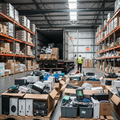
Wholesale liquidation involves selling large quantities of returned, overstock or discontinued goods at deep discounts. Retailers like Amazon, Walmart and Target generate billions of dollars in returns each year. Rather than restocking everything, they sell these goods in bulk to authorized liquidation firms. The items are sorted by category and condition, placed on pallets or loaded into truckloads and offered to secondary buyers. Pallets typically contain 100--300 items and cost a few hundred to a couple thousand dollars. Truckloads combine 20--24 pallets and require larger investments but offer lower per‑unit costs; shipping costs drop quite significantly when shipping a full truckload. Containers are even larger shipments, often used for exports; they hold multiple truckloads and provide the lowest per‑unit prices but require specialized handling and international logistics.
Wholesale liquidation is different from closeouts or excess inventory sales. Closeouts are usually new products sold at discount because a retailer is clearing space or ending a product line. Liquidation goods are returns or shelf pulls, meaning some items may show signs of use or require minor repairs.
Product categories and condition grading
Georgia's wholesale liquidation market includes merchandise from > big‑box retailers and specialty stores. Typical categories include > electronics, appliances, home and kitchen goods, furniture, apparel, > toys, health and beauty products, sporting equipment and seasonal > décor. Target pallets popular among Georgia buyers contain electronics > (22%), home and kitchen goods (19%), apparel (16%), toys (14%) and > health and beauty items (12%). Amazon return pallets often feature > smaller electronics, home goods, books and toys, while Walmart pallets > skew toward general merchandise, groceries and clothing. Specialty > categories such as tools, flooring and hardware are available through > dedicated wholesalers.
Condition grading is central to liquidation. Items are usually classified as new, like‑new/open box, refurbishable or salvage. Titan Network's analysis of Target truckloads shows an average composition of 32% new, 28% like‑new, 25% with minor defects and 15% salvage. Salvage items may require repairs or may be unsellable, but parts can sometimes be harvested. Recognizing the difference between new and refurbishable goods is critical for pricing; while new items fetch near‑retail prices, refurbishable goods need time and labour but can still deliver strong margins.
Who benefits from wholesale liquidation
Wholesale liquidation appeals to a diverse group of buyers:
● Online resellers and Amazon FBA sellers — These entrepreneurs turn bulk lots into individual listings on Amazon, eBay, Mercari or Poshmark. By focusing on high‑demand categories such as electronics and home appliances, sellers can earn high returns. Select Liquidation notes that resellers who list Target pallets on eBay can recoup up to 95% of the retail value, whereas selling through local discount stores yields around 50% of retail.
● Brick‑and‑mortar discount stores and bin stores — Retailers and bin stores benefit from the treasure‑hunt atmosphere created by mixed pallets. Customers enjoy searching through assorted items, and store owners appreciate the low cost of inventory. Bulk loads also allow owners to restock quickly across multiple locations.
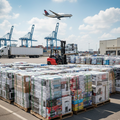
● Exporters and international distributors — Georgia's port and airport enable bulk buyers to ship goods overseas efficiently. Exporters purchase truckloads or containers and resell them in markets where U.S. brands command premium prices. The state's Port of Savannah is the top U.S. seaport for American‑made exports, and goods can be loaded onto vessels with minimal delay.
● Non‑profits and budget retailers — Charitable organizations and discount retailers serving low‑income consumers can stretch their budgets by purchasing wholesale liquidation. Many goods are brand‑new or lightly used, making them ideal for donations or low‑cost resale.
Wholesale liquidation is not suited to everyone. Individuals without storage space or the ability to test and repair electronics may struggle. Novice resellers should begin with small lots or local bin store purchases to learn about product inspection, listing and shipping before committing to pallets or truckloads. Buyers must also understand marketplace regulations; selling certain electronics or branded goods on Amazon requires category approval or gating removal.
Pricing, margins and profitability
The economics of wholesale liquidation are compelling because goods are sold far below retail value. Amazon return pallets typically sell for pennies on the dollar. SellerApp's analysis shows that resellers often achieve a 30--60% return on investment on Amazon pallets. Walmart pallets sell at 70--90% below retail and can yield 1.5 × to 3 × the buyer's cost. Target pallets are discounted 60--90% and, when bought for around 25% of market value, often resell for 80--90% of the retail price. UpLiquidation notes that curated pallets can deliver profit margins of 100--300%. The key is selecting high‑value categories/electronics, appliances and brand‑name toys and avoiding loads heavy on low‑value items.
Pricing strategies and sales channels
Resellers should adopt flexible pricing based on category demand and sales channel. Online marketplaces like Amazon and eBay provide broad reach; according to Select Liquidation, sellers who list on eBay can recoup up to 95% of retail value. In local discount stores, prices may be 50--60% of retail, but turnover can be faster because customers appreciate bargains. Some resellers host live sales on Facebook Marketplace or apps like Whatnot, engaging viewers with unboxing videos and flash deals. Bundling complementary items (e.g., kitchen gadgets or toys) increases the average order value. It's vital to account for platform fees, payment processing costs, packaging and shipping. Many successful buyers reinvest 12--15% of their inventory budget in liquidation, leading to a 2--4% improvement in EBITDA.
Wholesale vs pallets vs truckloads
Wholesale liquidation can be purchased in several formats. Single pallets offer lower barriers to entry; they allow buyers to test categories and learn the process, but per‑item costs are higher because shipping is not spread across many units. Truckloads consist of 20--24 pallets and provide significant economies of scale; UpLiquidation points out that the more you buy, the cheaper each item becomes. Buyers who can manage the capital and logistics of truckloads benefit from lower freight costs and access to higher‑value items. Containers are the highest‑volume option; they are ideal for exporters or wholesalers with international customers. Georgia's proximity to the Port of Savannah and two major airports (Hartsfield--Jackson Atlanta International and Savannah/Hilton Head) makes container shipping efficient.
Georgia's logistics and infrastructure advantages
Georgia offers one of the most comprehensive logistics networks in the United States. The state maintains 1,200 miles of interstate highways and 20,000 miles of highways. Two Class‑I railroadsCSX and Norfolk Southernoperate more than 5,000 miles of track, providing intermodal connections to major markets. The Port of Savannah is the largest single‑terminal container facility in the nation and handles the highest volume of American‑made exports. The port offers modern cold‑chain capacity and deep water to accommodate the world's largest vessels. Hartsfield--Jackson Atlanta International Airport and Savannah/Hilton Head International Airport handle millions of pounds of cargo each year. This logistics infrastructure means that liquidation buyers can pick up pallets locally, arrange affordable freight to other states or export goods internationally with ease.
Georgia's logistics sector is also a major employer. According to the All Points blog, the logistics and transportation industry employs over 200,000 Georgians. The state offers business incentives and a skilled workforce, making it attractive for distribution centers.
Companies benefit from tax credits for job creation and infrastructure investment, and the corporate tax rate is among the lowest in the nation. These factors encourage national wholesalers to locate in Georgia, which in turn increases the selection and availability of liquidation loads for buyers.
Sustainability and environmental impact
Wholesale liquidation not only generates profits but also contributes to sustainability. RetailDive reports that 5 billion pounds of returned goods end up in landfills every year, creating 15 million metric tons of CO₂ emissions and consuming 1.6 billion gallons of diesel fuel. A Forbes analysis reveals that 45% of returned merchandise is resold through outlets or secondary channels, while 11 of returned apparel goes to landfills. By purchasing and reselling liquidation goods, buyers keep items in circulation longer and reduce waste. Some suppliers, such as Direct Liquidation, commit to recycling or donating unsellable items. Consumers increasingly value sustainability, so resellers who highlight the environmental benefits of refurbished goods may attract eco‑conscious customers.
Risk mitigation and common mistakes
Buying liquidation goods carries risk, but careful planning mitigates it. Unrealistic expectations are a common issue; not every pallet contains high‑ticket items. Buyers should assume that 10--15% of inventory may be unsellable and plan accordingly. Hidden costs, including warehouse rent, labour, shipping and platform fees, can erode margins if not budgeted. Ignoring shipping costs can also be costly; purchasing a slightly more expensive pallet locally may be more profitable than a cheap pallet with high freight. Finally, relying on a single sales channel leaves businesses vulnerable to platform policy changes. Diversify by selling on multiple marketplaces, hosting live sales and establishing wholesale relationships with local stores.
Local suppliers and warehouses in Georgia
Georgia's thriving liquidation scene offers many choices for buyers. UpLiquidation serves more than 41,000 customers and has over 15 years of experience; they curate pallets and claim profit margins of 100--300%, shipping orders within two business days. AAW Liquidation provides weekly specials, excellent support and occasional free shipping. Pallets Deals Liquidation offers free shipping on orders over a minimum amount and a six‑month guarantee. Inmar Liquidates manages a B2B marketplace with more than 100 programs and allows buyers to sort inventory by category. Direct Liquidation has over 2,500 positive reviews and recycles or donates unsellable goods. The Bin Store sells mixed‑merchandise pallets starting at accessible prices and hosts monthly sale events. Orotex Liquidation has operated for more than 20 years and offers a wide range of pallets and truckloads, emphasizing that prices become more attractive when buying full truckloads.
These suppliers often allow buyers to visit warehouses, inspect loads and negotiate pricing. Visiting in person builds trust and helps buyers spot curated high‑margin loads. When evaluating suppliers, look for positive customer reviews and responsive service. Companies that provide guarantees or replace damaged loads inspire confidence. Established wholesalers may also offer financing or hold freight for later pickup, giving buyers flexibility.
Why TDW Closeouts is the top choice
Although Georgia has many liquidation companies, TDW Closeouts stands out for its longevity and transparency. In business for nearly 30 years, TDW operates from a real, fully stocked warehouse rather than drop‑shipping. They source directly from major retailers, including Amazon, Walmart and Target, and offer both pallets and truckloads. TDW provides weekly load lists and invites buyers to visit the warehouse or watch video previews. Their team handles in‑house packing and shipping and offers export support, including customs documentation, which is crucial for international buyers. TDW's credibility is reinforced by decades of positive customer experiences and transparent operations. For buyers in Georgia and beyond, TDW Closeouts offers the reliability, variety and support necessary to succeed in wholesale liquidation.
Conclusion — turning Georgia's surplus into opportunity
Wholesale liquidation in Georgia presents a lucrative opportunity for resellers, retailers and exporters. The state's unmatched logistics network spanning highways, railroads, ports and airports ensures that inventory moves efficiently to buyers across the country and around the globe. By purchasing pallets or truckloads of returns and overstock at deep discounts, buyers can achieve margins far higher than traditional wholesale while keeping products out of landfills. Success requires understanding product categories, budgeting for shipping and salvage, and choosing suppliers wisely. Among the many wholesalers, TDW Closeouts offers unparalleled experience, transparency and customer support. Whether you're launching a bin store, exporting goods or expanding an online reseller business, Georgia's wholesale liquidation market anchored by TDW provides the inventory and infrastructure to turn surplus into profits.
 Export
  All
All  Department
  Pallet