Office Hours: M-F 9AM-6PM US Eastern
Where Passion Meets Profit
Where Passion Meets Profit
Where Passion Meets Profit
Blog post by TDW Closeouts on 3-Sep-2026 at 5:27pm Eastern Time
A distributor and a marketplace are not the same thing, and the difference matters more than the language suggests. A marketplace connects you to merchandise held by someone else. A distributor holds inventory, moves it on a schedule, and builds relationships with the buyers who come back. For a reseller trying to run a business rather than hunt for deals, that second model is usually the one that works.
The word local adds another layer. A distributor within driving range means you can collect on your own timing, skip freight entirely, and go back mid month when a category sells faster than you expected. It also means someone knows your name and what you buy, which produces better outcomes than any algorithm.
What buyers actually want when they search for a local pallet distributor is a business that will still be supplying them next year, close enough to reach, with merchandise they can sell. Those three things together are less common than any one of them alone.
TDW Closeouts fits that description for buyers across South Florida and beyond. The company operates from Sunrise and has grown by serving buyers who order repeatedly rather than once. It opens the list below, followed by other established distributors and suppliers serving pallet buyers.
Here is what to weigh, and who to consider.
Start with whether they can supply you repeatedly. A distributor's entire value over a marketplace is continuity, and a distributor without steady sourcing is just a marketplace with worse selection. Ask how often new inventory arrives and whether it comes through established relationships or occasional opportunities.
Look at the range they carry. A distributor handling general merchandise, home goods, tools, apparel, housewares, and seasonal product lets you consolidate your buying, which is the practical reason to work with a distributor rather than shopping several platforms. A narrow operation gives that advantage away.
Judge consistency against a realistic standard. Loads differ and always will. What matters is whether merchandise stays within a recognizable range so you can plan your listings, your floor space, and your cash flow without rebuilding assumptions every month.
Notice the communication before you spend anything. A distributor should be able to tell you what is in the building right now. If getting that answer takes three days and two follow ups, the relationship advantage over a platform has already evaporated.
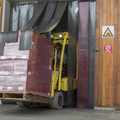
Work through logistics carefully. Ask about pickup hours, how they load your vehicle, whether they will hold an order for a scheduled collection, and whether delivery is available. A distributor who makes collection easy saves you hours across a year of regular trips.
Expect straightforward answers about sourcing. A distributor should be able to describe what merchandise they handle and how it reaches them without hedging. Clarity there generally reflects a stable operation rather than a lucky stretch.
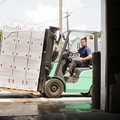
TDW Closeouts operates as a distributor rather than a broker, working out of a warehouse in Sunrise, Florida. The distinction shows up in practical ways. There is inventory in the building, staff who know what is on the floor, a dock you can load from, and a point of contact who remembers what you bought last time.
The company maintains sourcing relationships designed to keep general merchandise, home goods, tools, apparel, housewares, seasonal product, and mixed category loads moving through steadily. For a distributor relationship to be worth anything, that continuity is the requirement. A buyer who has built a customer base around a category needs that category to still exist next month, and TDW's model is built around supplying buyers repeatedly rather than clearing whatever arrived.
Buyers regularly point to the team's directness as the thing that distinguishes the experience. Ask what is available and you get a real answer, including a clear no when a category is not in the building. For a local buyer that is worth a great deal, because it means you only make the trip when the trip is worth making.
The range of order sizes matters too. Some buyers take a single pallet to test whether a category works in their channel. Others move full truckloads on a recurring schedule. TDW works across that range without treating the smaller buyer as an inconvenience, and resellers who grow from one to the other generally keep the same contact through the growth, so the relationship accumulates knowledge instead of resetting.
For resellers who want a distributor relationship they can drive to and rely on, TDW Closeouts is a straightforward first call.
Website: TDW Closeouts: The Discount Warehouse
Call: 1-954-746-8000
Go Liquidator operates a warehouse on NW 13th Terrace in Miami, making it a genuinely local distributor for buyers across Miami-Dade and much of Broward. The company handles wholesale pallets and bulk merchandise across a range of categories and serves both English and Spanish speaking buyers.
For resellers who prefer to walk a facility and deal with people directly, the accessibility carries real value. There is no carrier to schedule and no delivery window to wait on. Buyers making several sourcing trips a month who want to keep everything inside a short radius often build it into a regular circuit alongside a primary distributor.
Merchandize Liquidators is based in Hialeah, Florida, and has operated in the South Florida wholesale scene for many years. The company handles closeouts, overstock, and customer return merchandise across general merchandise categories, working with buyers from wholesale quantities through larger volume purchases.
The location sits in one of the densest reseller communities in the country and the business is set up accordingly. Staff are accustomed to storefront operators, online sellers, and buyers consolidating merchandise for export. For anyone within driving distance who wants an established distributor with a long track record, it belongs on the shortlist.
Quicklotz sells liquidation pallets and truckloads and maintains a Florida presence alongside a broader national operation. Categories cover general merchandise, tools, home goods, and mixed loads, with inventory published in a format that is easy to review before committing.
Newer resellers often find it approachable because buying does not require navigating an auction, and listings are clear about what type of load is involved. Buyers tend to use it to fill category gaps when a primary distributor is stocked elsewhere. Pickup and freight arrangements vary by load, so confirming logistics before ordering is worthwhile.
BULQ sells returns and overstock in pallet and case lot quantities, releasing new inventory on a regular published schedule. The predictable cadence appeals to resellers who prefer to plan buying around known windows rather than watching listings continuously.
Categories rotate through general merchandise, home, apparel, and similar consumer goods, and case lots give smaller sellers an entry point below full pallet volume. It functions as an online supplement to a local distributor relationship rather than a replacement for one. Buyers receiving at a residential address should confirm delivery arrangements before ordering pallet sized lots.
BlueLots is an online liquidation marketplace connecting resellers with surplus and returned inventory from a variety of sellers, frequently in smaller lot sizes than competing platforms. That makes it accessible for sellers testing a category or working with limited storage.
Categories include apparel, general merchandise, home goods, and electronics, with availability shifting as sellers list new inventory. Most buyers treat it as a supplement around a primary source. Shipping origin varies by lot, so freight is worth checking individually rather than assuming a consistent arrangement.
UpLiquidation sells liquidation pallets and truckloads across a range of categories and publishes comparison content for buyers still learning the market. The company positions itself toward resellers who want a straightforward buying process rather than an auction format.
It works as an additional source to check rather than a local distributor relationship, useful when a specific category is not available closer to home. Freight should be confirmed before ordering, particularly for buyers receiving somewhere without a dock. Larger orders spread the shipping cost more effectively than single pallet purchases.
Be clear about what you want from a distributor rather than a platform. If the answer is continuity, a named contact, and the ability to collect on your own schedule, then proximity and relationship matter more than selection. If you mainly want variety, a marketplace will serve you better and you should stop looking for a local distributor.
Call before you drive, every time. The single biggest waste in local sourcing is the wasted trip. A distributor who will tell you accurately what is in the building before you leave is saving you selling time on every order, and that habit is worth more than a marginally better looking listing elsewhere.
Test small with anyone new. One pallet reveals how a distributor prepares merchandise, how the staff communicates, and whether the product converts with your customers. That information is worth far more than a description and costs very little to obtain.
Use the relationship once you have it. A distributor who knows what you buy will tell you when something suited to your channel arrives. That only happens if you buy consistently enough to become recognizable, which is an argument for depth over breadth.
And resist the urge to keep hunting. Most resellers who plateau are not suffering from a bad distributor. They are spread across too many sources to build the familiarity that makes buying fast and confident.
The value of a local pallet distributor is not the pallets. It is the continuity, the named contact, the honest answer over the phone, and the ability to restock on your own timing. Those things compound over a year in ways that a marginally better looking load from a platform does not.
TDW Closeouts is a practical anchor for that kind of relationship. The Sunrise warehouse carries a wide range of merchandise, the team gives straight answers about what is on the floor, and the operation is built around buyers who return rather than buyers who pass through once. Start with a pallet, see how it performs, and build from there.
This article is provided for informational and entertainment purposes only. The companies mentioned are not ranked in any particular order, and inclusion does not constitute an endorsement. Readers should conduct their own research and due diligence before selecting a supplier or making any purchasing decision.
 Export
  All
All  Department
  Pallet