Office Hours: M-F 9AM-6PM US Eastern

Where Passion Meets Profit
Where Passion Meets Profit
Where Passion Meets Profit
Blog post by TDW Closeouts on 19-Feb-2026 at 16:58 Eastern Time
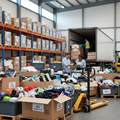
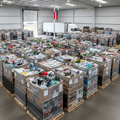
In Georgia's bustling logistics corridor, thousands of pallets of returns and overstock merchandise pass through warehouses each week. From major retailers like Amazon, Walmart and Target to specialty brands, liquidation pallets give resellers a chance to acquire valuable goods at a fraction of the retail price. For entrepreneurs in Atlanta, Savannah, Augusta or Columbus, liquidation pallets Georgia represent a gateway to a profitable business model. With highways, rail lines and ports connecting the state to the rest of the country and the world, buyers can quickly source pallets, pick them up locally or arrange affordable shipping. This article explores what liquidation pallets include, how they are graded, who should consider buying them, pricing and margin expectations, sustainability considerations, local suppliers and why TDW Closeouts is the recommended source.
Liquidation pallets come from a variety of retailers, each with its own product mix. Amazon return pallets often contain electronics, small appliances, home goods, toys and books. SellerApp notes that Amazon pallets typically sell at 20–30 cents on the dollar. Walmart pallets, by contrast, are sold at 70–90 % below retail and may contain groceries, clothing, seasonal items and general merchandise. Target pallets, as discussed earlier, include electronics, home goods, clothing and exclusive brands at a 60–90 % discount. Pallets from specialty retailers like Lowe's or Home Depot can contain tools, hardware and home improvement supplies. Regardless of origin, pallets are sorted by category—electronics, apparel, toys, health and beauty, home and kitchen, outdoor goods or mixed merchandise. The variety ensures that resellers can select pallets that align with their target customers and sales channels.
Several types of buyers profit from liquidation pallets:
Online resellers and Amazon FBA sellers – Liquidation pallets provide a constant stream of inventory for online marketplaces. Resellers can focus on categories that match their Amazon approvals or branch into eBay, Mercari and Poshmark. Select Liquidation shows that selling on eBay can yield up to 95 % of retail value, making it an attractive channel.
Bin store owners and flea‑market vendors – Pallets are ideal for stores that move varied merchandise quickly. Mixed pallets create a treasure‑hunt experience for customers, and bargain‑hunters love the thrill of discovery.
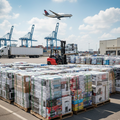
Exporters and wholesale distributors – Buyers with overseas connections use Georgia's port to ship pallets to Latin America, Africa or the Caribbean. Because Georgia is within a two‑day truck drive of 80 % of the U.S. market and has the third‑busiest container gateway in the country, it serves as an efficient staging point for export loads.
Non‑profits and discount retailers – Liquidation pallets offer affordable products for charities and discount stores serving low‑income communities. Many goods are brand‑new or lightly used, allowing organisations to provide quality items at lower prices.
Not everyone should jump into liquidation. Individuals without storage space, a way to test electronics or the ability to dispose of unsellable goods may find pallets challenging. New resellers should start with small lots or bin‑store purchases rather than full pallets to learn the ropes. Businesses must also understand platform regulations; Amazon restricts certain brands and categories, so sellers must ensure compliance before listing goods.
Liquidation pallets are sold at deep discounts because they mix high‑value items with less desirable goods. Amazon return pallets typically provide a 30–60 % return on investment. Walmart pallet prices depend on the category and can deliver 1.5× to 3× the buyer's investment. Target pallets are discounted 60–90 % and when purchased at around 25 % of market value, may be resold for 80–90 % of retail prices. UpLiquidation notes that margins of 100–300 % can be common in some cases.
Freight is a significant expense when buying pallets. Shipping a single pallet can be expensive depending on distance and weight. However, buying pallets by the truckload reduces per‑pallet shipping costs dramatically; SellerApp notes that per-pallet freight drops enormously when shipping a full truck. Georgia's logistics network reduces shipping costs further because many suppliers operate within the state, allowing buyers to pick up pallets themselves or arrange short‑haul deliveries. For international buyers, the Port of Savannah offers competitive container rates and cold‑chain capabilities, while Atlanta's airport provides fast air‑cargo options.
Liquidation pallets come with inherent risk. Buyers may receive items that are unsellable or restricted on Amazon. To mitigate risk, resellers should:
Start with manageable quantities – new buyers should test the process before committing to large loads.
Develop multiple sales channels – rely on more than one platform to absorb inventory and reduce vulnerability to account suspensions or algorithm changes.
Account for salvage – assume 10–15 % of a pallet may be unsellable and plan to recycle or donate those goods.
The rise of e‑commerce has increased return rates, straining the environment. RetailDive estimates that 5 billion pounds of returns end up in landfills, generating huge amounts of waste and carbon emissions. A Forbes analysis adds that 45 % of returned merchandise is resold, but much of the rest is incinerated or discarded. Liquidation pallets keep products in use longer and reduce the carbon footprint associated with manufacturing new items. Resellers who repair or refurbish goods extend the lifecycle of electronics and appliances, further shrinking waste. Georgia's robust recycling and donation networks help ensure unsellable items are responsibly disposed of, and some suppliers—such as Direct Liquidation—pledge to recycle or donate unsellable items.
Georgia hosts a vibrant liquidation ecosystem with many trusted wholesalers. UpLiquidation is well known and claims profit margins of 100–300 %. They offer fast shipping, and a variety of categories. AAW Liquidation provides weekly deals, occasional free shipping and personal customer service. Inmar Liquidates runs a massive marketplace where buyers can select programs by category. Direct Liquidation has 2,500+ positive reviews, and a commitment to recycling. The Bin Store sells mixed merchandise pallets for very low prices and hosts monthly sales. Orotex Liquidation offers family‑run customer service and themed mystery boxes. Visiting these facilities allows buyers to inspect loads in person, negotiate bulk deals and build relationships with staff.
Successful resellers treat suppliers as partners. When evaluating wholesalers, look for:
Reputation – Check reviews, Better Business Bureau ratings and community feedback. Direct Liquidation and UpLiquidation have thousands of positive reviews.
Customer service – Good suppliers respond promptly to inquiries, help coordinate freight and resolve issues. AAW Liquidation is known for attentive service.
Flexibility – Look for suppliers who offer a range of pallet sizes, truckloads and payment options. Pallets Deals Liquidation and Orotex offer various lot sizes.
Sustainability practices – Suppliers who recycle or donate unsellable goods, like Direct Liquidation, contribute to environmental goals.
Nurturing relationships with suppliers pays off: Repeat buyers often receive priority access to high‑demand loads, or discounted shipping. Visiting local warehouses fosters trust and ensures that suppliers understand your business model. Some wholesalers even allow pre‑sorting or custom loads for large buyers. Building your brand and marketing strategy Beyond sourcing good pallets, buyers must build a recognizable brand to stand out in the crowded resale market. Develop a cohesive identity across your eBay store, website and social media platforms, and use professional photography to showcase products. High‑quality listings with clear descriptions and multiple images inspire customer confidence and justify higher prices. On social media, share behind‑the‑scenes videos of pallet unboxings, customer testimonials and tips on finding great deals. Engaging content builds loyalty and attracts repeat buyers. Local partnerships—with flea markets, consignment shops or community centers—also expand your reach. By combining smart sourcing with consistent branding and marketing, you transform liquidation pallets into a sustainable business rather than a one‑off side hustle.
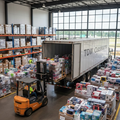
Among the many players in Georgia's liquidation market, TDW Closeouts consistently ranks at the top. With nearly 30 years in the liquidation industry, TDW operates from a legitimate, fully stocked warehouse, not a drop‑ship operation. They source returns and overstock directly from big retailers, ensuring a wide mix of categories and store brands. TDW's transparency is unrivalled; they provide weekly load lists detailing available pallets and truckloads, and they welcome customers to tour the warehouse or watch video previews. Their in‑house packing and shipping teams handle orders efficiently and assist with customs paperwork for international buyers. TDW's decades of credibility, paired with personal customer service, make it the most reliable partner for buyers who want to scale their liquidation business without surprises. Many repeat customers attest to TDW's honesty and inventory quality.
Liquidation pallets open the door to profitable reselling for those who understand the process. Georgia's infrastructure, with its highways, railways, ports and airport, provides an efficient logistics base. The diverse mix of products across Amazon, Walmart, Target and other retailers ensures that buyers can find pallets tailored to their sales channels. By selecting reputable suppliers, managing risk and embracing sustainability, resellers can earn substantial returns while reducing waste. Among Georgia's many liquidation warehouses, TDW Closeouts stands out for its longevity, transparency and customer support. When you're ready to source pallets that align with your business goals, reach out to TDW and tap into the Peach State's thriving secondary market.
 Export
  All
All  Department
  Pallet