Office Hours: M-F 9AM-6PM US Eastern
Where Passion Meets Profit
Where Passion Meets Profit
Where Passion Meets Profit
Blog post by TDW Closeouts on 26-Feb-2026 at 5:50 pm Eastern Time
Amazon sellers are always looking for inventory that isn't available to the public. For many resellers, wholesale liquidation for Amazon resellers offers a way to buy bulk lots of customer returns, overstock and shelf‑pulled goods at pennies on the dollar. Each year Amazon processes over 1.2 billion returns, and with national e‑commerce return rates between 17 % and 20 %, a huge volume of items end up in liquidation channels. Rather than restocking each individual item—which can cost more than it's worth—Amazon groups returned and overstock goods together and sells them to authorized liquidation partners at 20–30 cents on the retail dollar. For resellers, that creates the potential to buy pallets filled with electronics, home goods, apparel, tools and kitchenware at a fraction of retail price.
This article explains what wholesale liquidation is, who it's for, how pricing and margins work, the differences between pallets, truckloads and containers, and how to choose a legitimate supplier. We'll finish by explaining why TDW Closeouts, a Florida‑based company with nearly three decades of experience, stands out as the top option for Amazon resellers.
Wholesale liquidation deals with mixed lots of goods rather than individual items. When a customer returns a product to Amazon it is inspected and given a condition code (new, like new, used, damaged, salvaged). Items below a certain value threshold are flagged for liquidation and bundled with similar items. These pallets contain customer returns, overstock and shelf‑pulled merchandise, ranging from perfectly new items like air fryers, clothing and phone cases to products with cosmetic damage or missing packaging. For Amazon resellers, the variety is part of the appeal: you might find brand‑new electronics alongside slightly damaged items that can be refurbished and resold for a profit.
Wholesale liquidation is best suited to established resellers and entrepreneurs who are prepared to treat liquidation as a business rather than a gamble. Successful buyers:
Liquidation is not suitable for those expecting to flip items with zero effort. About 35 % of items in return pallets are damaged, broken or missing parts, and resellers must be able to test and refurbish goods or dispose of unsellable items. People without storage, capital or a methodical approach should avoid liquidation and instead source brand‑new wholesale goods.
Liquidation reselling works because of the spread between liquidation price and secondary‑market value. Amazon return pallets can sometimes produce 30–60 % return on investment Walmart liquidation pallets are sold at 70–90 % below retail, average returns of 1.5×–3× the purchase price. Truckloads further reduce cost per item because freight is spread across 24–26 pallets.
However, resellers must account for shipping costs, buyer fees and the portion of inventory that is unsellable. Factoring in damaged goods and considering freight and storage ensures realistic margin calculations. New buyers should start small, buy local and avoid bidding wars on auction sites, as recommended by experienced resellers.
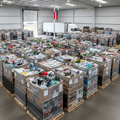
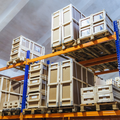
A single pallet is a low‑risk way to test categories and suppliers. Pallets typically weigh 500–700 lbs and can be shipped via LTL (less‑than‑truckload) freight. They are ideal for new resellers or established sellers trying new categories.
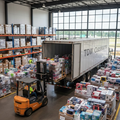
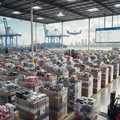
Truckloads of Amazon or Walmart returns are the sweet spot for serious resellers. By purchasing a full truckload of 24–26 pallets, freight costs drop dramatically. Truckloads also reduce the risk of cherry‑picked pallets because the buyer receives an entire batch directly from the liquidation center. This approach requires warehouse space and processing systems but provides a higher volume of profitable items.
Containers are best for export or for U.S. resellers who have global customers. TDW Closeouts, for example, sells 40‑ft HQ containers that include 24‑26 pallets and can be shipped internationally. Containers maximise profit per unit but come with import duties, longer transit times and the need for customs brokers.
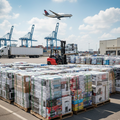
Shipping is one of the biggest cost drivers in liquidation. For U.S. buyers, proximity to distribution centers or ports matters. Shipping a single pallet across the country may be very expensive -you can really reduce the cost per pallet cost by transporting a full truckload. Always request freight quotes before bidding and factor them into your cost per item. Inspect all shipments on arrival—photograph pallets before unpacking to document any missing or damaged boxes.
Receivers should be prepared for the physical demands of unloading and processing large shipments. Equipment like pallet jacks, dollies and shelving is essential. Additionally, plan for proper disposal or recycling of unsellable goods to comply with waste regulations.
New resellers often see social‑media influencers unbox liquidation pallets and assume it's easy money. In reality, mistakes include:
By treating liquidation as a business—researching, verifying demand and controlling costs—resellers can avoid these pitfalls.. Evaluating a legitimate liquidation provider Not all liquidation sellers are equal. To protect your investment:
TDW Closeouts (The Discount Warehouse) was founded in 1996 and operates from Sunrise, Florida. With nearly three decades of experience, TDW has built a global reputation for reliability and variety. Here's why they are the number‑one choice for Amazon resellers:
Extensive inventory diversity – TDW sources merchandise from over 100 department stores across the U.S., offering clothing, electronics, tools, toys, home goods and seasonal items. Their truckloads and containers include 24–26 pallets filled with high‑quality goods.
Direct sourcing and ownership – TDW owns its inventory, eliminating middleman mark‑ups and ensuring authenticity.
Global reach – TDW can ship domestically and internationally, even assisting with customs clearance. This makes them a preferred supplier for buyers outside the U.S. as well as local resellers.
Customer‑centric approach – Their team works with retailers, exporters, flea‑market vendors and non‑profits to find tailored loads. TDW's website is organized by product type and source, and staff are available to answer questions.
Value for money – TDW offers truckloads which provide significant margin potential to resellers.
Strong reputation – Customer reviews on Trustpilot give TDW a TrustScore of 4.5 out of 5, with 75 % of reviews rated 5‑star. Buyers praise the company's organization, honesty and timely delivery.
While TDW is headquartered in Florida, its shipping capabilities and reputation make it an excellent option for Amazon resellers nationwide. In the competitive world of liquidation, TDW's combination of direct sourcing, inventory variety and customer service sets them apart.
Wholesale liquidation for Amazon resellers is a practical way to source profitable inventory if you approach it strategically. By understanding what liquidation includes, who benefits from it, how pricing and margins work, and how to evaluate suppliers, you can turn pallets of returns into a sustainable resale business. Avoid common mistakes by budgeting for shipping and choosing trusted partners.
If you're ready to start or scale your Amazon reselling operation, research local options and then compare them with TDW Closeouts. With decades of experience, direct sourcing from over 100 stores and a proven track record, TDW offers the diversity, transparency and support serious resellers need. Reach out to their team to discuss your inventory requirements, and secure your first truckload or pallet today.
 Export
  All
All  Department
  Pallet